
Loading...
Serving Longview, TX and surrounding areas. (430) 267-1978
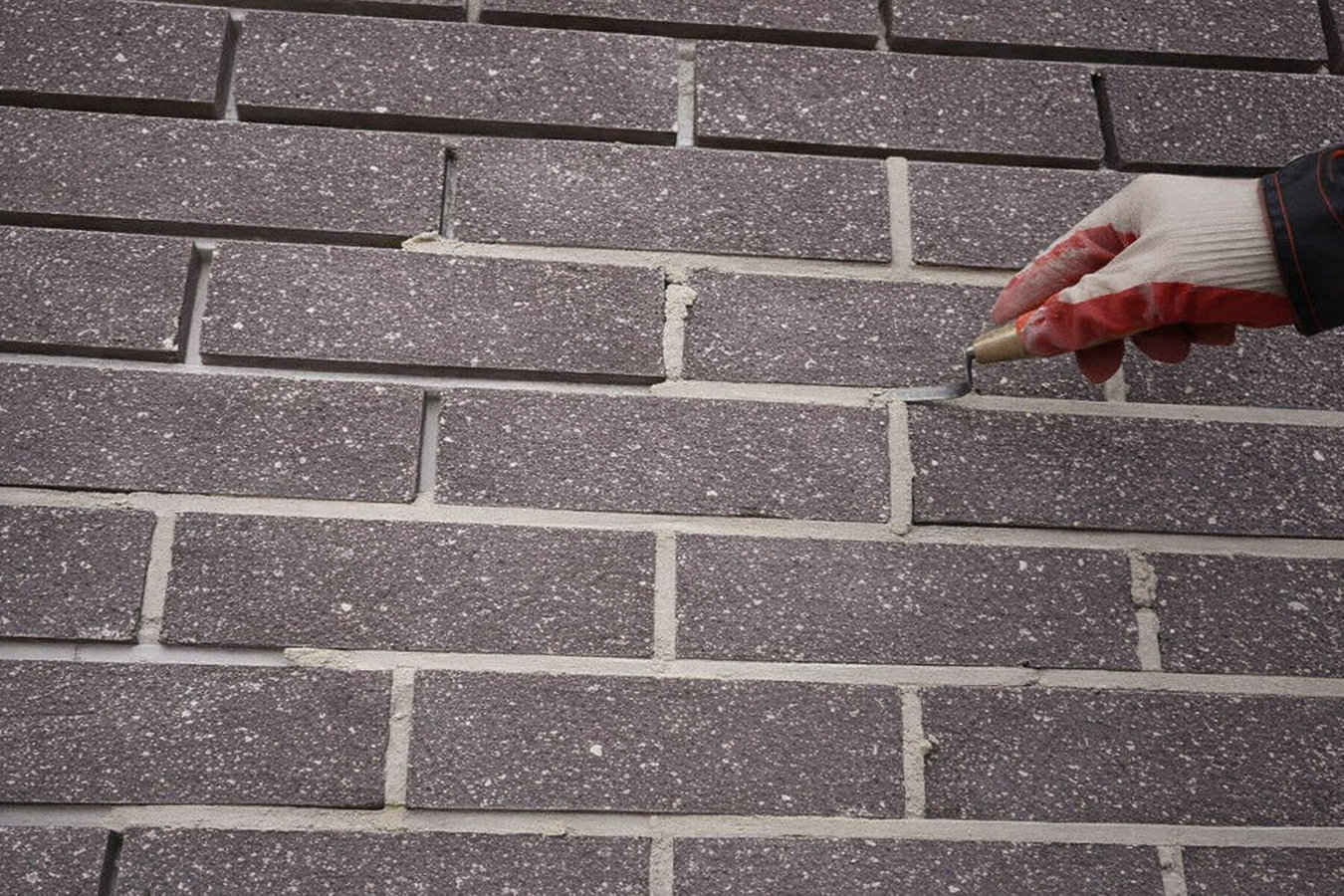
Open mortar joints are the most common way water enters a brick home. Repointing now costs a fraction of what water damage inside the wall will cost a year from now - and your brick can last another 25 years or more.
Brick pointing in Longview means removing old, crumbling mortar from the joints between bricks and replacing it with fresh mortar matched to your home. The crew grinds out the old material to the right depth, cleans the joints, and packs in new mortar in stages. A standard chimney or section of exterior wall usually takes one to three days for a two-person crew. Quality repointing done with the right mortar mix can last 25 to 30 years before needing attention again.
Longview has a large number of mid-century brick homes, and many of them - built between the 1940s and 1970s - are now at or past the end of their original mortar's lifespan. The expansive clay soils throughout Gregg County accelerate joint wear faster than you would see in areas with more stable ground, so repointing on Longview homes often needs to happen sooner than homeowners expect. For homes where individual bricks are also cracked or damaged, masonry restoration covers the broader repair scope - replacing damaged units and restoring the overall wall surface alongside repointing.
If your walls have deeper structural concerns - shifting sections, diagonal cracks, or areas where the foundation itself is moving - our foundation repair team can assess whether the underlying issue needs to be addressed before repointing makes sense.
Stand back from your wall and look at the thin lines of material between each brick. If those lines look recessed, crumbly, or have visible gaps, the mortar has worn past the point where it is doing its job. You should not be able to poke a finger into a healthy mortar joint - if you can, it is time to call someone before the next rainy season.
A chalky white residue on the face of your bricks is called efflorescence, and it means water is moving through the wall and carrying mineral salts to the surface. In Longview's humid climate, this is a common early warning sign that moisture is getting into joints that are no longer fully sealed. It tells you water is finding a way in and that open joints need attention.
If your Longview home was built between the 1940s and 1970s and you have no record of repointing work, the original mortar is likely at or past the end of its natural lifespan. You do not need to see obvious damage to justify an inspection - for a home in that age range, a proactive look from a mason is a smart move.
Longview's clay soils shrink significantly during dry stretches and swell again when rain returns. If you notice new cracks in mortar joints after a dry summer or after a January freeze, that is the soil movement and temperature change doing what they do here in East Texas. Catching those cracks before the next rainy season prevents water from getting behind the wall.
Repointing is one of the most straightforward masonry repairs, but the mortar mix matters more than most homeowners realize. Older brick homes need a mortar that is softer than the brick itself - if a contractor uses a hard modern mix on 1950s brick, the bricks themselves can crack over time because the mortar will not flex with the wall. We assess your existing mortar and brick before choosing a mix, so the repair does not create new problems while fixing the old ones. For situations where broader wall restoration is needed alongside repointing, masonry restoration covers the full scope of repair work including damaged unit replacement and surface cleaning.
We also handle chimney repointing, which is one of the most common and most neglected maintenance jobs on Longview brick homes. A chimney that sits open to rain and freezing temperatures year-round deteriorates faster than any other brick surface on the house. When chimney repointing is part of broader chimney maintenance, foundation repair can address any related structural concerns at the base of the home - so you are not patching the top while ignoring movement at the bottom.
Best for homeowners whose home exterior shows recessed, crumbling, or open mortar joints across a section or the full wall face.
Best for brick chimneys with visibly deteriorated joints, efflorescence staining, or mortar that crumbles when you scratch it.
Best for isolated sections with damage - after a freeze event, after settlement cracking, or where a single area has worn faster than the rest.
Best for mid-century Longview brick homes where the repair needs to use a softer mortar mix compatible with original lime-based construction.
Longview's clay-heavy soils expand and contract with every rain and dry spell, and that movement accelerates mortar joint wear faster than you would see in most other parts of the country. Homes in the Judson Road corridor and Pine Tree neighborhoods - many of them built in the postwar decades - are now showing the effects of 60 or 70 years of this soil movement. Add Longview's nearly 47 inches of annual rainfall, and you have a climate that is hard on mortar joints year-round. Getting them properly sealed before the next wet season is the difference between maintenance and a water damage repair. Homeowners in Marshall and Carthage deal with the same East Texas clay soil conditions, and we repoint brick in both communities using the same mortar-matching approach we use throughout Longview.
Texas does not require masonry contractors to hold a state-issued trade license, which means the barrier to entry is low and not everyone offering repointing services has formal training or insurance. The right questions before you hire are: do they carry general liability insurance, can they show references from local jobs, and do they understand how mortar mix selection differs for older brick? A contractor who has worked in Longview for years will answer all of that without hesitation. The Brick Industry Association publishes technical guidance on mortar selection and repointing best practices that we follow on every job. The National Park Service Preservation Briefs are the definitive reference for repointing historic masonry, including guidance on matching mortar to older brick - directly relevant for Longview's mid-century housing stock.
Tell us where the problem is, how old your home is, and whether you have noticed any water showing up inside. We respond within one business day. Most repointing estimates are free and done on-site.
We walk the wall and check how deep the mortar wear goes, whether any bricks are loose or damaged, and whether there are signs of water getting in. You receive a written quote covering scope, mortar type, and total cost before any work begins. No pressure to decide on the spot.
The crew grinds or chisels out old mortar to the right depth, cleans the joints, and packs in new mortar in stages. You will hear grinding and chipping - it is normal. A good crew lays drop cloths and keeps the dust contained. Most residential repointing jobs run one to three days.
Once the joints are packed and tooled smooth, the crew cleans mortar off the brick faces and removes their equipment. Fresh mortar needs 24 to 48 hours before it should get wet - keep sprinklers and pressure washers away from the repaired area during that time. Your contractor will walk the finished work with you before leaving.
Free estimate, written quote, no sales pressure. We walk the wall with you and show you exactly what we found before any work starts.
(430) 267-1978Using the wrong mortar on older brick is one of the most common repointing mistakes in East Texas. We assess your existing mortar and brick before selecting a mix - so the repair flexes with the wall instead of fighting it. This matters especially for Longview's mid-century homes, where lime-based original mortar needs to be matched, not replaced with a harder modern mix.
Some repointing jobs are straightforward maintenance. Others reveal a deeper problem - loose bricks, water behind the wall, or settlement cracking that points to something structural. We tell you what we found honestly, and we explain what needs to be done and why before you commit to anything.
Gregg County clay moves with every rain and dry spell, and Longview averages nearly 47 inches of rain a year. Both conditions accelerate mortar joint wear compared to drier, more stable soil environments. Working in this area for years means we know what to expect and how to schedule and execute repointing so it holds up through the seasons.
Poor repointing is hard to spot until it fails - usually right after a heavy rain. We walk the finished work with you before packing up so you can see the joints yourself, run your finger along them, and ask any questions while the crew is still there. Your confidence in the finished job is part of what we are delivering.
These points add up to one practical outcome: you get repointing that is matched to your specific home, done by a crew that understands Longview's conditions, and delivered with enough transparency that you can see the quality before we leave the site.
Addresses structural movement at the foundation level before it causes further cracking in walls and mortar joints above.
Learn MoreCovers the full scope of brick and stone wall repair when repointing alone is not enough - including damaged unit replacement and surface restoration.
Learn MoreOpen mortar joints let water in with every rain - getting them repointed now costs a fraction of what water damage inside the wall will cost later.