
Loading...
Serving Longview, TX and surrounding areas. (430) 267-1978
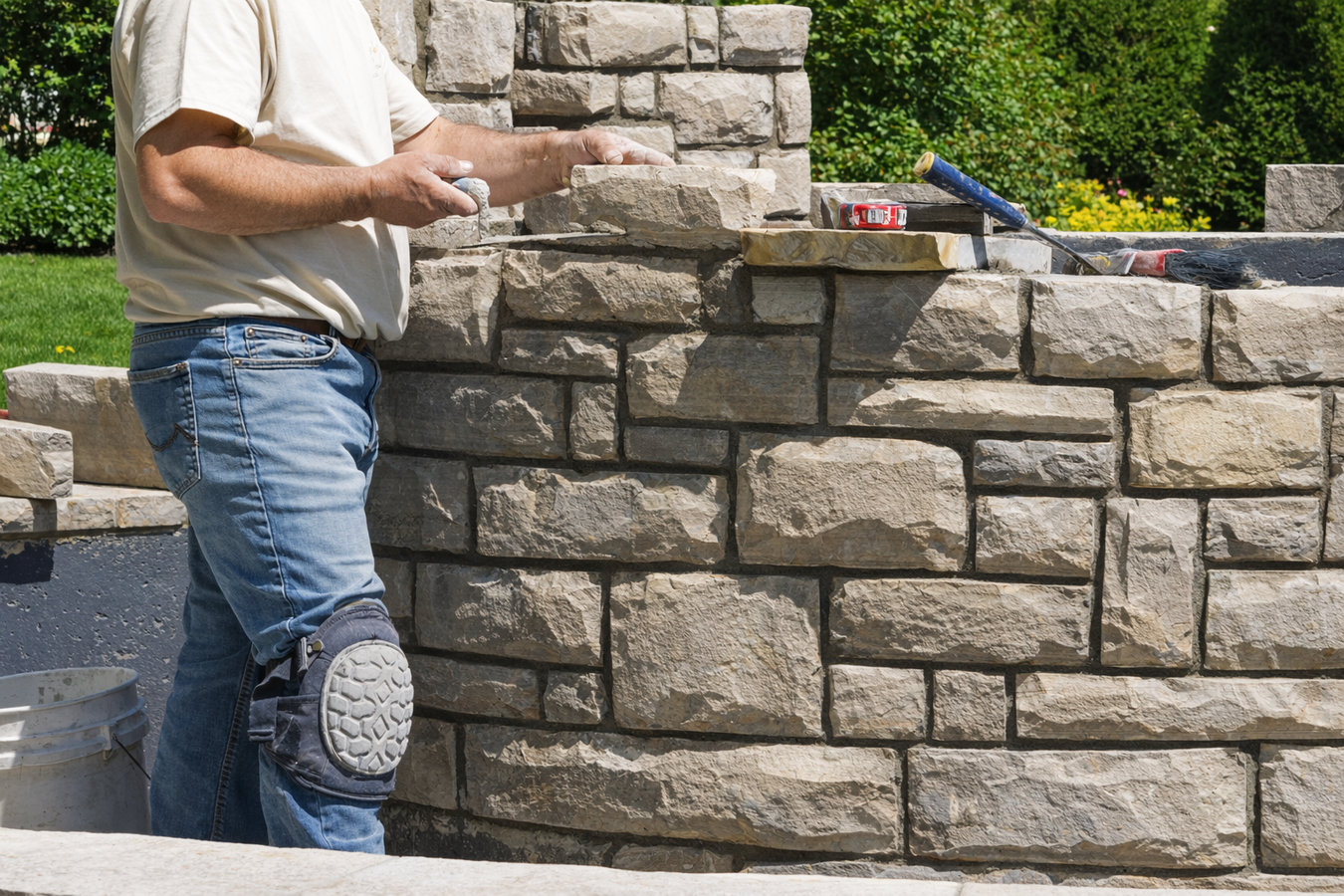
Clay soil and heavy rain test every stone wall, step, and outdoor feature. Proper footings and drainage built in from day one are the difference between a feature that lasts 50 years and one that shifts within three.
Stone masonry in Longview covers a wide range of projects - retaining walls, garden borders, outdoor fireplaces, front steps, and decorative veneers. Most jobs start with a footing excavation and gravel drainage layer, then stone laying in sections checked for level and alignment throughout. Most residential projects run one to five days, and a well-built stone feature in this area can last 50 years or more with minimal upkeep.
Longview is a good market for stone work - the city has a large number of homes built in the 1950s through 1970s, and many of those properties have original stone chimneys, steps, or decorative walls that are now at or past the end of their original lifespan. Whether you are adding something new or restoring what is already there, the approach needs to account for how much the clay soil moves. Our brick pointing service handles targeted repointing when the structure is still sound but the mortar joints have worn out - a much smaller job than a full rebuild.
For homeowners who want a similar natural aesthetic with a thinner application, stone veneer installation is worth comparing side by side - we can walk you through both options and help you choose based on your budget, the look you want, and how the structure needs to perform.
A retaining wall that used to stand straight but is now tilting toward the yard or street has been pushed by the soil behind it - a common problem in Longview's clay-heavy ground. Small gaps or a slight lean can often be corrected before the wall fails completely. Waiting turns a repair into a full rebuild.
Run your finger along the joints between stones on an older wall, chimney, or step. If the mortar crumbles easily or you can push it out with your fingernail, it has lost its bond. In Longview's wet climate, open mortar joints let water in quickly, which speeds up deterioration and eventually loosens the stones themselves.
Uneven steps are a trip hazard, and rocking stones mean the base underneath has shifted - often because of soil movement or poor drainage. This is especially common after a wet winter or a dry summer in East Texas, when the clay soil expands and contracts significantly. A mason can assess whether the base needs to be reset.
If you are thinking about an outdoor fireplace, a fire pit surround, or a stone patio and you want it to hold up to Longview's heat and heavy rain for years, stone masonry is worth considering over wood or composite materials. A properly built stone feature handles East Texas weather far better than most alternatives.
We work with both natural stone - limestone, sandstone, and fieldstone - and manufactured stone veneer, depending on the project and budget. Every job begins with proper site preparation: excavating the footing to the right depth, laying a gravel drainage bed, and planning where water will move after rain. This groundwork is what separates stone features that stay straight for decades from those that start to fail after a few wet seasons. For mortar-intensive repair work on existing stone structures, our brick pointing team handles repointing and targeted joint repair without tearing out the whole installation.
Homeowners who want the look of stone on a home exterior or as an accent on an existing wall often find that stone veneer installation is a practical alternative to full-thickness stone construction - less weight on the structure, lower material cost, and a similar finished appearance. We can help you compare both approaches and plan a project that fits your goals and your property.
Best for sloped yards, erosion problems, or properties where raised beds or terraced garden areas are planned.
Best for homeowners who want a durable, heat-resistant focal point for an outdoor living area that holds up to East Texas summers.
Best for front entries, garden paths, and side-yard access routes where a natural stone surface improves both looks and footing.
Best for framing garden beds, creating property borders, and adding a built-in look to landscaping that complements the home.
Longview sits on Gregg County clay soils that expand and contract with every rain and every dry spell. That constant movement puts stress on footings, retaining walls, and any stone structure that sits on or in the ground. Nearly 47 inches of annual rainfall means drainage planning is not optional - water that has nowhere to go will push against a wall from behind, eventually causing it to lean, crack, or collapse. A mason who works regularly in Longview will know to dig deeper footings and plan drainage from the start. Homeowners in Gladewater and White Oak deal with the same clay-soil challenges, and we build stone features in both communities using the same footing-first approach we use throughout the Longview area.
The City of Longview requires permits for retaining walls above a certain height and for structural masonry work like outdoor fireplaces. A contractor who pulls permits is working above board, and the inspection that follows protects you legally and creates a record that matters when you sell your home. We handle the permit process and coordinate any required inspections on every job. The Masonry Society publishes technical guidance on stone masonry design, footing requirements, and mortar selection that our work follows on every project.
Call or submit the form and tell us what you have in mind - a retaining wall, outdoor fireplace, steps, or something else. We respond within one business day. Photos help us prepare, but the real assessment happens on-site.
We come to your property, check ground conditions, measure the area, and review drainage. In Longview, this always includes a look at how water currently moves across the site. You receive a written estimate that covers scope, materials, and timeline before any commitment.
The crew starts with footing excavation and gravel drainage prep - the foundation work that determines how the finished structure performs. Stone laying follows in sections, with alignment checked throughout. Most residential projects run one to five days.
Before the crew leaves, you walk the finished project with the contractor and raise any questions while the work is still fresh. Fresh mortar needs 24 to 48 hours before it should get wet, and your contractor will tell you exactly what to avoid during the curing window.
No obligation. We come to your site, walk through the project with you, and give you a written estimate before any work begins.
(430) 267-1978Longview's expansive clay soil is the leading cause of stone wall failure in this area. We dig footings to the depth needed for local soil conditions and plan drainage on every project - so your stone feature stays straight through years of wet and dry seasons. Local experience here is not a marketing line; it changes what we do on every job.
The City of Longview requires permits for certain masonry structures, and we handle that process from application through inspection. Permitted work is on record with the city, which protects you at resale and means a city inspector has verified the work meets code. You should not have to navigate that paperwork yourself.
Many Longview homes from the 1950s and 1960s have original stone features that need attention. We look at each one honestly and tell you whether a repair or a rebuild makes more financial sense. Repointing and partial rebuilds are often enough to restore function and appearance - and they cost far less than a full tear-out.
Mortar poured in peak afternoon heat without proper precautions can fail within a season. We schedule work for the right time of day and take steps to manage curing in hot conditions - misting fresh joints, working in the morning hours, and avoiding installation around hard freeze events. This is how masonry work holds up over time in East Texas.
Taken together, these points come down to one thing: we build stone masonry that is designed for Longview, not generic work that happens to land in East Texas. Local conditions shape every decision, from footing depth to mortar mix to scheduling.
Mortar joint repair for existing stone and brick structures where the masonry itself is sound but the joints have worn out.
Learn MoreA thinner stone application for home exteriors and accent walls where full-thickness masonry is not required.
Learn MoreSpring and fall book fast in East Texas - reach out now to hold your spot before the busy season fills up.