
Loading...
Serving Longview, TX and surrounding areas. (430) 267-1978
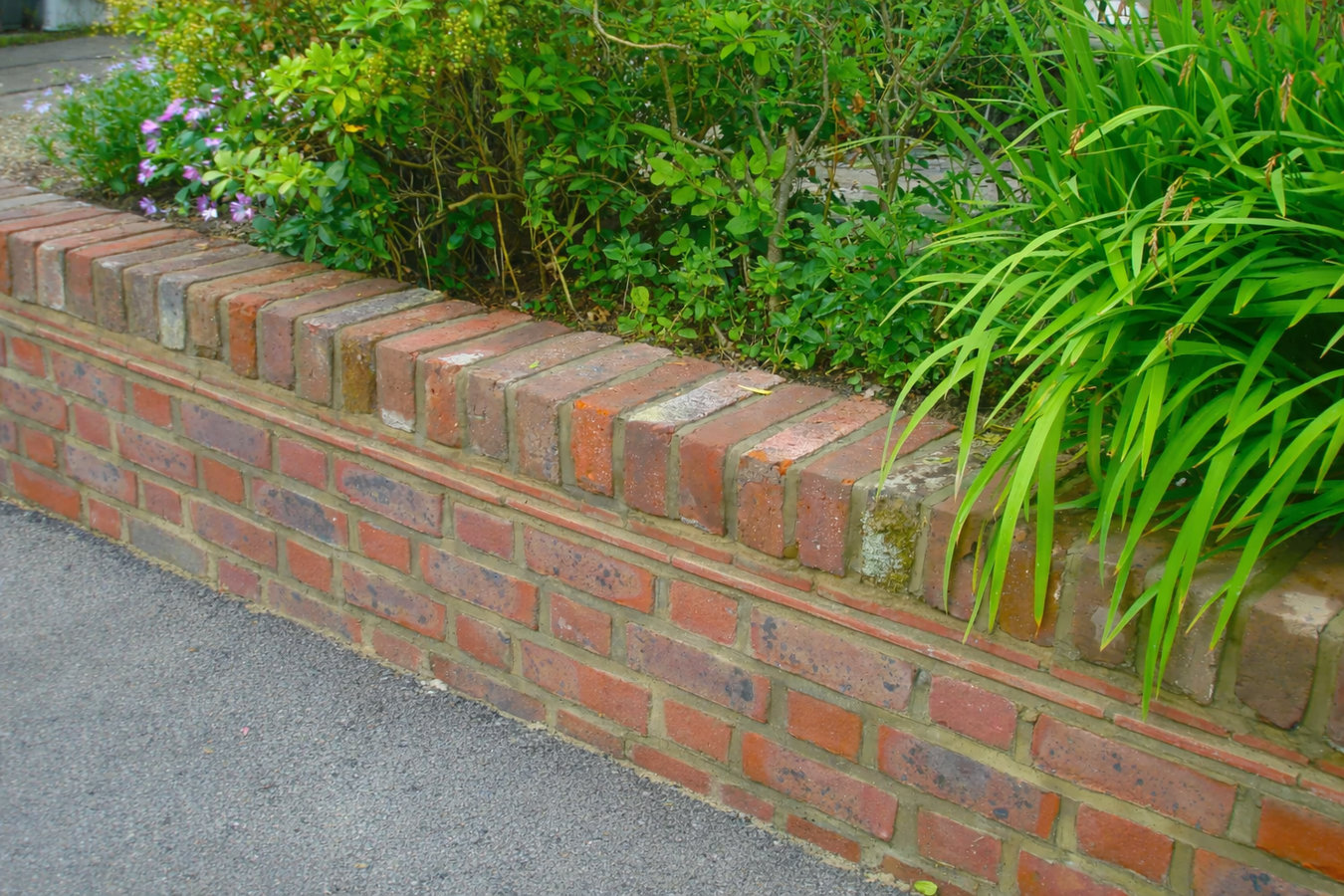
Longview clay soil cracks walls built on shallow footings. A properly designed brick wall stands straight, needs almost no maintenance, and adds lasting value to your property.
Brick wall installation in Longview starts below ground, with a concrete footing poured at the right depth for local clay soils. Once that footing cures, the mason lays courses of brick with proper mortar joints and any needed reinforcement. Most residential garden walls, boundary walls, and decorative borders take two to five days of active work, and a properly built wall can last 50 to 100 years with very little upkeep.
Longview has a large number of brick homes - many of them built in the 1950s through 1970s - and their brick walls, planters, and fences are reaching the end of their original lifespan. Whether you are repairing an aging section or adding a new wall, the approach needs to account for clay soil movement and Longview's nearly 47 inches of annual rain. For matching and repair work on older structures, our brick repair service handles repointing, crack repair, and partial rebuilds when a full wall replacement is not necessary.
New brick walls also pair well with broader property improvements. If you are considering stone masonry for other parts of your yard, we can plan both installations together so the finishes look intentional side by side.
If a wall is no longer standing straight - even slightly tilted - that is a structural warning, not just a cosmetic issue. In Longview, this is often caused by clay soil shifting underneath the footing over many wet and dry seasons. A leaning wall will not fix itself, and waiting too long can mean a full rebuild instead of a repair.
Small hairline cracks in mortar joints are normal over time, but cracks wider than a pencil tip - especially diagonal or stair-step cracks - suggest the wall is moving. Longview's expansive clay soil is a common culprit: as the ground swells and shrinks through wet and dry seasons, walls without deep enough footings get pushed around.
Many Longview homes built in the mid-20th century have decorative walls, planters, or garden borders that are now 50 or 60 years old. If sections are crumbling, bricks are falling loose, or the mortar has turned to powder, the wall has reached the end of its useful life. A mason can tell you quickly whether repair or replacement makes more sense.
That white chalky residue is called efflorescence, and it means water is moving through your wall and carrying mineral salts to the surface. It is not always an emergency, but it signals moisture is getting in somewhere - through cracked mortar, a failed cap, or a drainage issue. Left alone, it can accelerate deterioration, especially after Longview's wet spring seasons.
We install freestanding brick walls for privacy, boundary definition, garden enclosures, and decorative yard features. Every job starts with a concrete footing dug to the right depth for Longview's clay soils - this is the step that determines whether a wall stays straight for decades or starts to lean within a few years. Brick selection matters here too: darker bricks absorb more heat in Longview's hot summers, while certain textures hold moisture longer after rain, so we help you choose based on both appearance and local climate performance.
For homeowners whose new wall needs to match existing older brick on the property, we source compatible brick and adjust mortar color to blend the new work with what is already there. Our stone masonry team handles projects where a natural stone wall or mixed-material installation better suits the design. And when a wall shows cracking or mortar failure but the structure is still sound, brick repair covers targeted repointing and crack repair without a full rebuild.
Best for homeowners who want to define their yard perimeter, add privacy from a street or neighbor, or enclose an outdoor area.
Best for framing garden beds, creating raised planters, or adding a decorative border that complements existing landscaping.
Best for front-of-home features, mailbox surrounds, and low decorative borders along driveways or walkways.
Best for properties with aging brick walls where a section needs to be rebuilt to match the style and color of the original.
Longview sits on Gregg County clay soils that expand and contract with every rain and dry spell. A footing that would be adequate in sandy soil is undersized here. Masons who work primarily outside East Texas often underestimate how deep a footing needs to go to stay below the active clay layer, and the result is a wall that looks perfect for a year or two before starting to lean. Longview's summer heat - regularly above 95 degrees - also means fresh mortar dries too fast if you do not schedule and manage the pour correctly. Homeowners in Kilgore and Henderson face the same clay-soil challenges across this part of East Texas, and we build brick walls in both communities using the same footing-first approach.
The City of Longview requires a building permit for freestanding walls above a certain height, and the Development Services department enforces this through required inspections. Permitted work protects you legally and ensures the finished wall is on record - which matters when you sell your home. We handle the permit and coordinate any required inspections as part of every job. The Brick Industry Association publishes the technical standards our brick wall work follows, covering footing design, mortar selection, and drainage details for every wall type we install.
We come to your property, look at the site, check ground conditions, and ask about your goals for the wall - privacy, decoration, drainage, or something else. You get a written estimate that breaks down labor and materials. We reply to all new inquiries within one business day.
If your project requires a City of Longview permit - likely for any wall over a few feet tall - we handle pulling it before the crew arrives. This can add a week to the timeline, but it protects you legally and ensures the work is inspected. Once the permit is in hand, you get a confirmed start date.
Before any bricks go up, the crew excavates the area and pours a concrete footing. In Longview's clay soil, this step must not be rushed. You will want to make sure the work area is clear of vehicles and outdoor furniture before the crew arrives.
Once the footing has cured - usually 24 to 48 hours - brick laying begins. Depending on the project size, this phase takes one day to a full week. If a permit was pulled, a city inspector visits after completion. The mortar takes about 28 days to reach full strength.
We come to your yard, look at the site, and give you a written quote with no obligation and no sales pitch.
(430) 267-1978Longview clay soil moves every season, and a wall built on a shallow footing will show it within a few years. We dig to the depth this soil demands and size the footing for the wall height and local conditions - not for the minimum that would pass inspection in a different region.
We pull every required City of Longview building permit and coordinate the final inspection as part of the job. Unpermitted masonry work can create real problems when you go to sell your home or file an insurance claim. You should not have to navigate the Development Services office yourself.
Many Longview homes in Forest Hills, Sunset Acres, and other established neighborhoods have older brick that has weathered for decades. We take time to source a compatible match and adjust mortar tone so new work blends with what is already on your property - not just the closest thing from a supplier catalog.
Fresh mortar fails if it dries too fast in summer heat or freezes before it cures. We schedule brick work for cooler parts of the day in summer and take protective steps if a freeze is forecast within the first days of a new installation. You should not have to think about weather at all.
Longview homeowners hire us because we treat brick wall work as a long-term investment. From footing depth to permit paperwork to brick sourcing, every decision is made with local conditions and your specific property in mind.
Natural stone walls and features for homeowners who want a more rustic or distinctive finish than brick provides.
Learn MoreTargeted repointing, crack repair, and partial rebuilds for existing brick walls that do not need full replacement.
Learn MoreSpring slots fill fast in Longview - contact us now for a free written estimate and get your project on the calendar.