
Loading...
Serving Longview, TX and surrounding areas. (430) 267-1978
Longview's clay soil moves every season. We stabilize your foundation so your home stays level, your doors work again, and you stop watching the cracks.
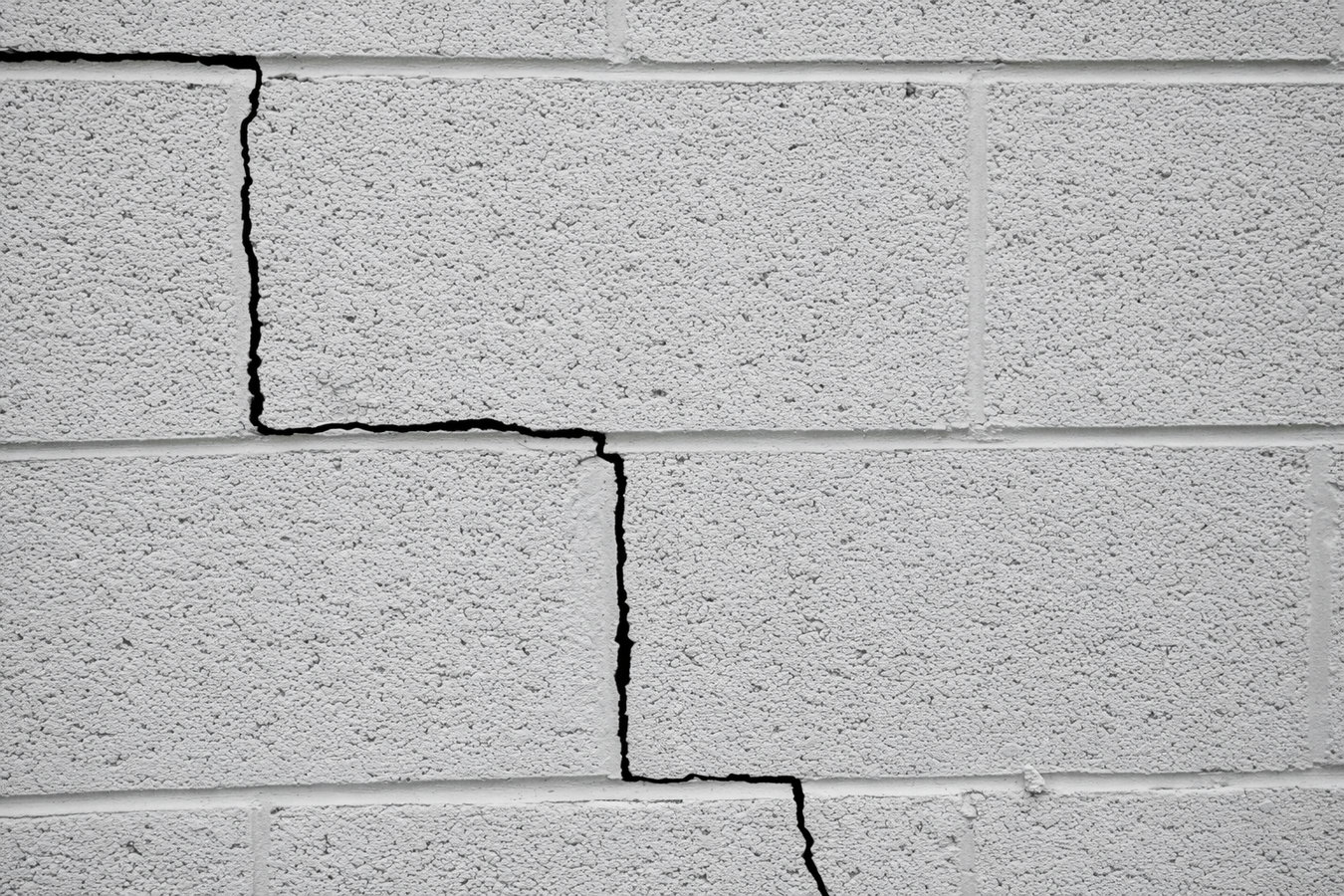
Foundation repair in Longview, TX stabilizes a home's base structure - stopping further movement, re-leveling sunken areas, and sealing cracks - with most residential jobs completed in one to three days.
If you have been watching a crack in your wall slowly widen, or if doors that used to swing freely now drag on the floor, the soil beneath your home is telling you something. Longview sits on expansive East Texas clay that swells when it rains and shrinks during dry summers, and that repeated movement is the main reason foundations shift here. The longer movement goes unaddressed, the more it costs to fix.
Foundation repair works alongside other masonry services - if your foundation block walls have also been stressed, our foundation block wall installation service addresses those structural elements at the same time.
Interior doors that drag on the floor or refuse to latch are a common early sign of foundation movement. In Longview's clay soil, this sticking often gets worse in late summer after a dry stretch - then temporarily improves when the rains return. If the pattern repeats, it is worth having someone look.
Diagonal cracks running from the corners of door frames, or stair-step cracks in the brick on the outside of your home, are worth taking seriously. Small hairline cracks are normal in any house, but cracks wider than a quarter-inch or cracks that keep growing suggest the structure underneath is still moving.
If water sits against your home for more than a few hours after a heavy rain - which Longview sees regularly in spring - that drainage problem puts your foundation at risk. Saturated soil on one side and dry soil on the other creates uneven pressure, which causes foundations to tilt or sink over time.
If a marble rolls consistently in one direction across a room, or you feel a noticeable slope when walking through your home, the slab beneath that area may have shifted. This is especially common in Longview homes built before 1980, where the original foundation design did not anticipate decades of clay soil movement.
We assess the full picture before any work begins - elevation measurements across your floor, a walk of the exterior, drainage evaluation, and an honest look at what the soil and the structure are doing. The repair method we recommend depends on what we find. Steel push piers or helical piers are driven down to stable soil to stop movement and support a lift. Polyurethane foam injection fills voids under a slab where the soil has pulled away. Crack sealing addresses surface damage after the underlying movement is arrested.
If the masonry connected to your foundation has also taken damage, we handle that in the same visit. Our chimney repair service addresses chimneys that have shifted with the soil, and our foundation block wall installation service rebuilds or reinforces block foundation walls when they have cracked or displaced.
Best for homes with significant slab movement or settlement - piers are driven to load-bearing soil below the clay layer.
Ideal for filling voids under a slab and lifting smaller settled areas with minimal disruption.
Addresses visible cracks in the slab or foundation walls after the underlying movement has been corrected.
Redirects water away from the foundation perimeter to reduce the soil moisture swings that cause future movement.
Longview sits on a layer of highly expansive clay soil common across Gregg County and East Texas. This soil absorbs moisture and swells during wet periods, then shrinks and pulls away from your foundation during dry spells. The cycle repeats every year - wet winters and springs, followed by summer heat and drought - and that back-and-forth is the single biggest driver of foundation stress in this area. Homes built in the 1950s through 1980s, which make up a large share of Longview's housing stock, were often built on pier-and-beam systems or early slab designs that were not engineered for the level of soil movement we now understand to be normal here. Large mature trees planted close to those homes add another layer of stress, drawing moisture from the soil around the foundation and accelerating the drying and shrinkage cycle on one side of the structure.
Our crews work across Longview regularly, including neighborhoods in Longview proper and surrounding communities like Hallsville. If you are in Gregg County or the surrounding East Texas area and you have started noticing the signs of foundation movement, calling sooner means less work and a lower bill.
Describe what you have been noticing - sticking doors, cracks, uneven floors. We respond within one business day to schedule your assessment at no charge.
We walk your home and exterior, taking elevation measurements at multiple points. You will know exactly where your foundation stands and what is causing the movement - not a vague estimate, but real numbers.
You receive a written proposal with scope, support count, warranty terms, and total cost. Once you approve, we pull the required City of Longview building permit before any work begins.
The crew completes the work - typically one to three days - and walks you through before-and-after measurements and warranty paperwork. You keep the documentation for your records and any future sale.
We come out, take measurements, and give you a written estimate. No pressure, no commitment. Longview's summer dry season is hard on foundations - the sooner the work is done, the less movement your home absorbs.
(430) 267-1978We pull the required City of Longview building permit as a standard part of every foundation repair. That means the work goes on record, gets inspected, and stays in your documentation file when it matters most - at closing or refinancing.
Texas law requires sellers to disclose known foundation issues. Our written warranty is designed to transfer to the next owner, turning a potential deal concern into documented proof that the work was done right and is backed long-term.
We record elevation readings before and after the repair so you can see exactly how much movement was corrected. Those numbers go in your paperwork and are the starting point for any warranty conversation if something changes later.
Our license can be verified through the{' '} Texas Department of Licensing and Regulation. Asking to verify a contractor's license before signing anything is one of the most important steps a Longview homeowner can take.
When you combine permitted work, documented measurements, and a transferable warranty, you are not just fixing your foundation - you are protecting the investment in your home, the standard every masonry contractor should meet. That is what every Longview homeowner deserves, and it is how we do the job every time.
For official permit information, visit the City of Longview Building Inspections office. You can also verify contractor licenses at Texas Department of Licensing and Regulation, and learn more about transferable warranties from the Foundation Repair Association.
Chimneys shift with the soil just like foundations do - mortar cracks, bricks separate, and liners deteriorate.
Learn MoreWhen block foundation walls crack or displace alongside the slab, we rebuild or reinforce them to restore structural integrity.
Learn MoreLongview's summer dry season is approaching. The sooner you book your free assessment, the less movement your home absorbs before the work is done.