Loading...
Serving Longview, TX and surrounding areas. (430) 267-1978
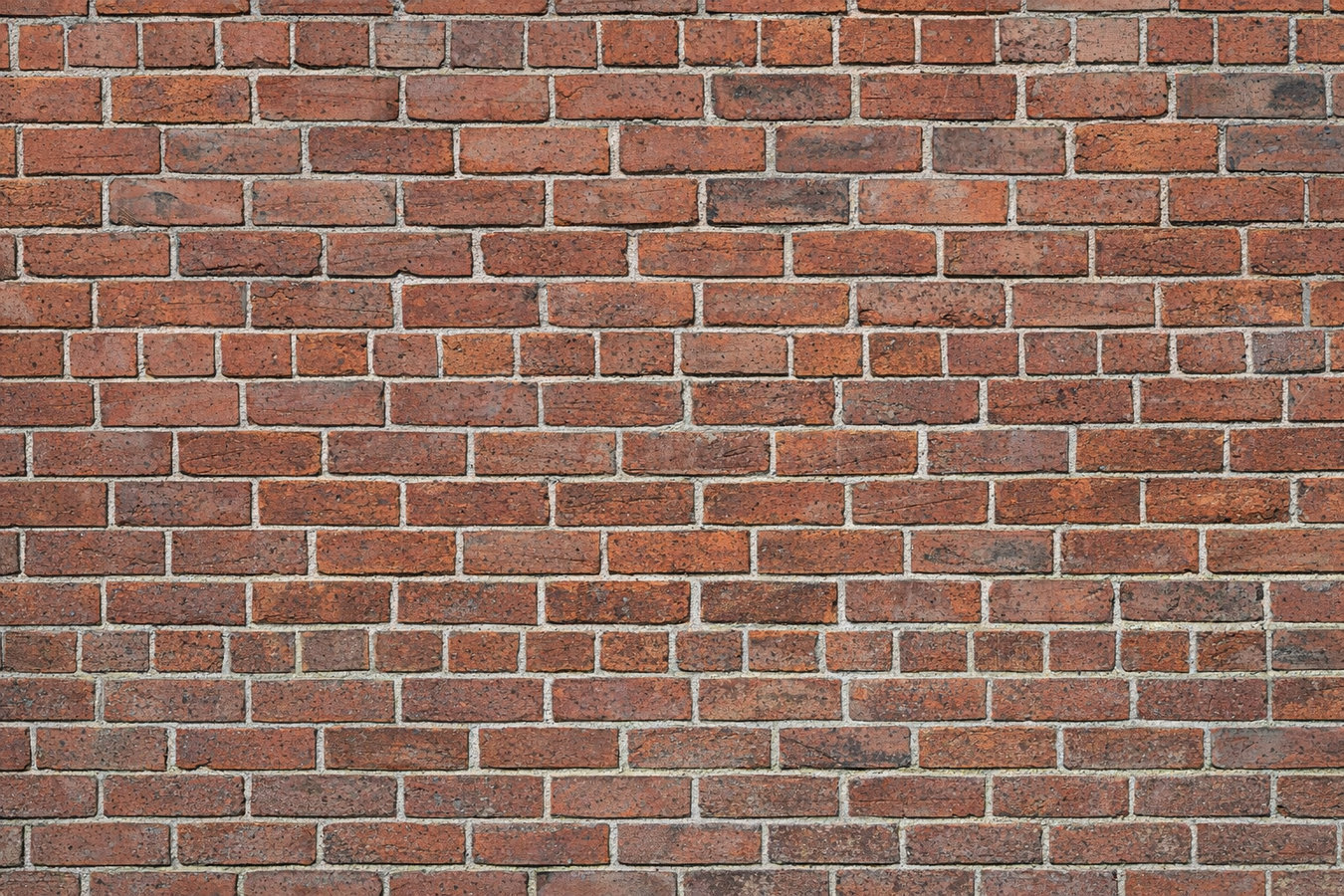
Crumbling mortar lets water into your brick walls. We cut out the old material, pack in fresh color-matched mortar, and seal your home against East Texas rain before the next freeze hits.
Tuckpointing in Longview replaces crumbling mortar between bricks or stones with fresh, properly matched material, restoring the wall's waterproof seal and structural strength. Most single-story homes are completed in one to three days.
Mortar is softer than brick by design - it absorbs stress so the bricks stay intact. But once those joints crack or shrink, water finds its way in. In Longview, where annual rainfall tops 47 inches and clay soil shifts with every wet-dry cycle, failing mortar deteriorates faster than in drier climates. The sooner you catch it, the smaller the job.
If your walls show more than just mortar wear - cracked or loose bricks included - our brick repair service covers the full picture, from individual brick replacement to stabilizing sections that have shifted.
Run a house key along the mortar lines on your exterior walls. Healthy mortar feels hard and does not give. If it crumbles or flakes off with light pressure, the binding strength is gone. This is the most reliable test you can do without any special tools - a slow walk around your home on a dry afternoon tells you a lot.
Longview sits on clay-heavy soil that shrinks during dry stretches and swells after rain. That movement pulls mortar joints apart at the surface. If you notice new cracks along the joint lines after a dry summer or drought period, the soil shift is likely the cause. Catching these before the rainy season keeps water out.
That chalky white residue on your brick - called efflorescence - is mineral salt left behind when water moves through the wall and evaporates on the surface. It means water is already getting through the joints. In Longview's rainy climate, this is a warning worth acting on before water reaches the wall's interior.
Chimneys take more weather abuse than any other part of a brick home - they are fully exposed on all sides. If the mortar between your chimney bricks looks worn down or crumbly, especially after one of Longview's hard freezes, water can enter the attic and roof structure through those joints before you notice the damage inside.
Every tuckpointing job starts with proper removal. We grind or chisel out the old mortar to a consistent depth - roughly three-quarters of an inch - before packing in fresh material. Skimping on this step is the most common reason repairs fail early. We also test mortar samples against your existing joints before committing to a mix, so the finished wall looks clean and consistent, not patchy.
For walls with deeper damage - shifted sections, cracked or hollow bricks, or gaps that have been open through multiple seasons - we bring in our brick pointing expertise for detailed hand-tooling on ornamental and historic surfaces. Both services work from the same goal: a wall that sheds water the way it was built to.
Best for homeowners with widespread mortar wear across siding-level or foundation-level brick walls who need full coverage before rainy season.
Best for chimneys with mortar loss on exposed faces where freeze-thaw cycles and rain exposure have accelerated joint breakdown.
Best for homeowners who caught the problem early and need repair on a single wall section or a short stretch of damaged joints before damage spreads.
Best for older Longview homes built before 1970 where the original lime-based mortar requires a soft mix to avoid damaging period brick.
Gregg County sits on expansive clay soils that swell when wet and shrink when dry. That constant ground movement stresses brick walls and opens mortar joints faster than in areas with stable soil. Longview also averages over 47 inches of rain per year, and summer humidity regularly sits above 70 percent. Together, those conditions mean mortar here often deteriorates faster than the national average - especially on north-facing walls that stay damp longer after rain. Many of Longview's established neighborhoods have brick homes built between the 1940s and 1970s, and the softer lime-based mortar from that era has had decades to weather.
We serve homeowners throughout the Longview area, including Hallsville and White Oak. Fall is the best window to get tuckpointing done - the work can cure fully before hard freezes arrive, and water already sitting in open joints when temperatures drop will expand and widen the damage overnight. Scheduling before winter is the most cost-effective move for any Longview homeowner with visible mortar wear.
We reply within one business day and ask a few quick questions about your home's age, which walls concern you, and whether you have seen water inside. No prep needed on your end.
We walk your exterior walls and chimney, check how deep the damage goes, and explain what we are seeing as we go. You leave the assessment knowing exactly what needs to be done and why - no guessing, no pressure.
We provide a written estimate covering scope, materials, and total cost. We note how we plan to match the mortar color to your existing joints - that detail is what separates careful work from rushed work.
The crew grinds out old mortar, packs fresh material, and tools the joints to match the original profile. Before leaving, we walk the finished work with you and walk you through the 24-48 hour curing window - no sprinklers on fresh joints until the mortar sets.
Free estimate, written quote, no obligation. We reply within one business day.
(430) 267-1978We work on brick homes across Gregg County and know how the local clay soil moves with every wet-dry cycle. That context changes how we assess a job - we look at what caused the damage, not just what is visible at the surface.
We test mortar samples against your existing joints before we commit to a mix. This step takes extra time, but it means the finished wall looks like it was never touched - not patchy or mismatched against the original brick.
Many Longview homes were built with softer lime-based mortar that requires a careful match when replaced. Using a harder modern mix on older brick can damage the original material over time. We discuss mortar composition on every older home before any work begins - it is not a minor detail. Brick Industry Association guidelines inform every repair we do.
We do a thorough walk-around before we quote anything. If there is a deeper issue behind the obvious damage - a cracked brick or a failing wall section - you will know about it upfront. No unexpected discoveries halfway through the job and no additions to the invoice you did not agree to.
These proof points add up to a single promise: work done right the first time, with no guesswork about what you are paying for or how it was done.Contact us for a free estimate.
Permit requirements reference: City of Longview Development Services. Industry standards: Mason Contractors Association of America.
Replace damaged bricks and repair cracked sections alongside your mortar work for a complete restoration.
Learn MorePrecision pointing work on detailed brickwork, ornamental features, and areas needing careful hand-tooling.
Learn MoreFall slots fill fast - get your walls sealed before winter freezes arrive and small cracks become bigger repairs.