
Loading...
Serving Longview, TX and surrounding areas. (430) 267-1978
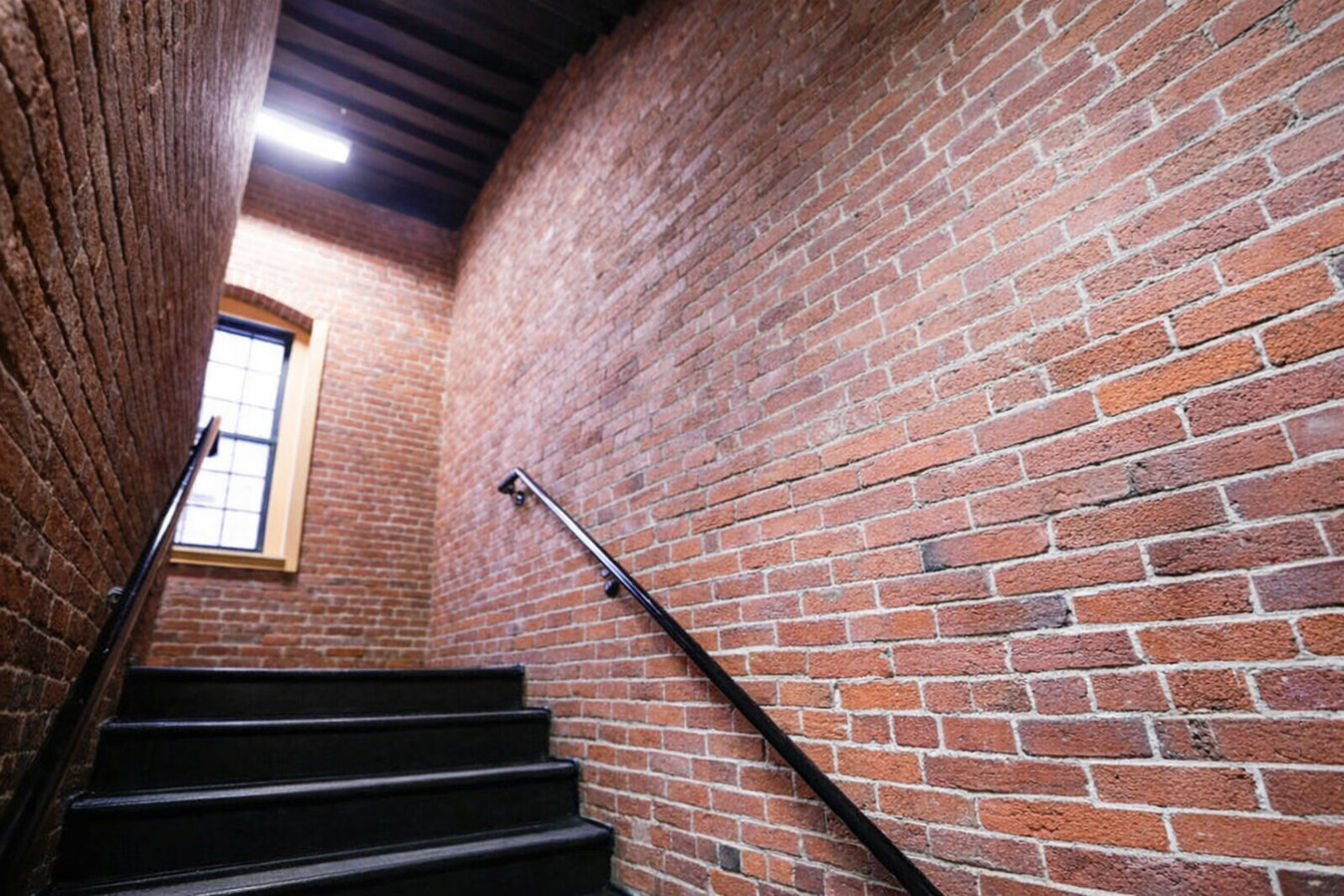
Crumbling mortar, white staining, and recurring cracks are early warnings. We diagnose the cause and fix it properly so the problem does not come back next season.
Masonry restoration in Longview, TX covers repointing worn mortar joints, sealing cracks, cleaning efflorescence, and stabilizing brick or stone before water and soil movement turn a small problem into a big one - most jobs take one to three days.
Longview homeowners deal with a specific combination of problems: aging brick homes, expansive clay soil that shifts with every rain, and nearly 47 inches of annual rainfall that keeps mortar wet for long stretches. If you have noticed white staining on your brick facade or gaps between the joints, those are signs moisture is already working its way in. Catching it now costs a fraction of what water damage inside the walls will run later.
Many of the homes we work on in Longview are 50 to 70 years old - the kind where the original mortar is reaching the end of its useful life all at once. If your home is in that range, full-perimeter mortar inspection makes sense. And if the cracks keep coming back after prior repairs, that points to ongoing soil movement - something we look for alongside the masonry itself. We also offer fireplace installation and stone masonry for homeowners upgrading while restoring.
Run a finger along the lines between your bricks. If the material crumbles, flakes away, or leaves a gap you can fit a fingernail into, the mortar has broken down enough to let water in. In Longview's wet climate, even small gaps can allow significant moisture to work into walls over a single rainy season.
Longview's clay soil shrinks during dry stretches and swells when rain returns. If new cracks appear after a dry spell ends - especially diagonal or stair-step cracks that follow the mortar lines - that is soil movement stressing your masonry. These cracks will not close on their own and tend to grow with each seasonal cycle.
A chalky white residue called efflorescence means water is moving through your masonry and carrying dissolved salts to the surface as it evaporates. It is not dangerous on its own, but it is a reliable early warning that moisture is getting in somewhere. Catching it early is much less expensive than waiting until the water works deeper into the wall.
When brick faces start to peel away in thin layers or develop a rough, pitted texture, moisture has been getting into the brick itself - not just the mortar - and breaking it down from the inside. This is a more advanced stage of damage. Restoration needs to happen soon before individual bricks need full replacement, which is significantly more costly.
Repointing is the core of most masonry restoration jobs - we remove deteriorated mortar to a safe depth, match the color and texture of your existing joints, and pack in new mortar that bonds properly and sheds water. For older Longview homes built before the 1960s, we match the original softer lime-based mortar type so the repair works with the structure rather than against it. We also handle full chimney crown repairs and flashing restoration for chimneys that take the worst of East Texas weather. If your masonry is structurally sound but needs cosmetic work alongside the joints, we can address efflorescence staining and spalled brick faces in the same visit.
Beyond standard repointing, we provide crack stitching for walls that have shifted with the soil, and we coordinate with our fireplace installation team when restoration uncovers deterioration inside the firebox. Homeowners who want to upgrade while we are already on-site often combine masonry restoration with stone masonry accents or a new stone veneer on a front-facing wall. Every job gets a written scope before work starts - no surprises.
Suits homes where joints are crumbling or pulling away from the brick face across one or multiple wall sections.
Suits homeowners who have noticed cracking at the top of the chimney or water pooling inside the flue after rain.
Suits walls with diagonal or stair-step cracks caused by soil movement - especially common in Longview's clay soil neighborhoods.
Suits homeowners who have seen white chalky residue on their brick and want to address the underlying moisture path before it worsens.
Longview sits on expansive clay soil that swells when it rains and shrinks during dry spells. That movement puts constant stress on brick walls and chimneys - and it is one of the main reasons masonry problems here tend to recur rather than resolve on their own. The city also averages around 47 inches of rain per year, with summer humidity regularly above 80 percent. That combination keeps masonry wet for long stretches, which breaks down mortar faster than in drier climates. Small gaps that might last years in Arizona can become significant water entry points within a single Longview rainy season. A large share of the city's housing stock was built between the 1940s and 1970s, which means original mortar on many homes is reaching the end of its useful life all at once - not just in one visible spot.
We work across Longview and the surrounding East Texas area, including Hallsville and Kilgore. Contractors who only work in newer construction often underestimate how different the job is on a 60-year-old brick ranch with lime-based mortar and clay soil underneath. That context - knowing which mortar type belongs on which home and how local soil patterns affect where cracks form - is what separates a repair that holds for decades from one that opens back up next spring. For more on how the National Park Service guides mortar matching on older buildings, the NPS Preservation Briefs are the most widely referenced resource in the industry.
We will ask a few basic questions - what you are seeing, where on the house it is, and how old the home is. Expect a response within one business day. That conversation helps us come prepared rather than showing up cold.
A contractor walks the affected areas with you - checking mortar joints, tapping bricks for hollow spots, and assessing access. This visit is free and takes 20 to 45 minutes. You leave with a real number, not a vague range.
The estimate spells out what work will be done, what materials will be used, how long it will take, and the total cost. For older homes, we note the mortar type so you know we have thought about it. Nothing starts until you approve the scope.
The crew removes damaged mortar, cleans the joints, and packs in new material - working in sections. When the work is done we clean up and walk the job with you before leaving. New mortar needs 24 to 48 hours to cure before rain, and we check the forecast.
Free on-site estimate. Written price before any work starts. No pressure.
(430) 267-1978We sample your existing mortar color and texture before mixing new material, so the finished joints blend in rather than stand out. On older Longview homes built before 1960, we identify whether lime-based mortar is appropriate - using modern hard mortar on those homes can cause the bricks themselves to crack over time.
Longview's clay soil shifts with every wet and dry cycle, and that movement is behind most of the recurring crack patterns we see. We look at how cracks are oriented before we touch them - diagonal stair-step patterns tell a different story than horizontal joint failure - and we factor that into what we recommend.
We have worked on brick homes throughout Gregg County for years, from the older ranch-style houses near downtown Longview to established neighborhoods closer to the Tyler corridor. That track record means local references are available - ask us for them before you decide.
The number we give you after walking the job is the number on the final invoice, unless we find something genuinely unexpected inside the wall and call you before proceeding. No lowball estimates that balloon once the work is underway. You can verify our standing with the{" "}Texas Department of Licensing and Regulation at tdlr.texas.gov.
Every one of these proof points ties back to the same thing: a repair that holds in Longview's specific conditions, not just a repair that looks good on the day it is done. That is what we are focused on every time we show up to a job.
Add a built-from-scratch masonry fireplace to your Longview home, designed and permitted for East Texas soil and climate.
Learn MoreCustom stonework for accent walls, columns, and garden features that complement your restored brick exterior.
Learn MoreFall is the best window for this work in East Texas - get on the schedule before cold snaps arrive and spots fill up.