
Loading...
Serving Longview, TX and surrounding areas. (430) 267-1978
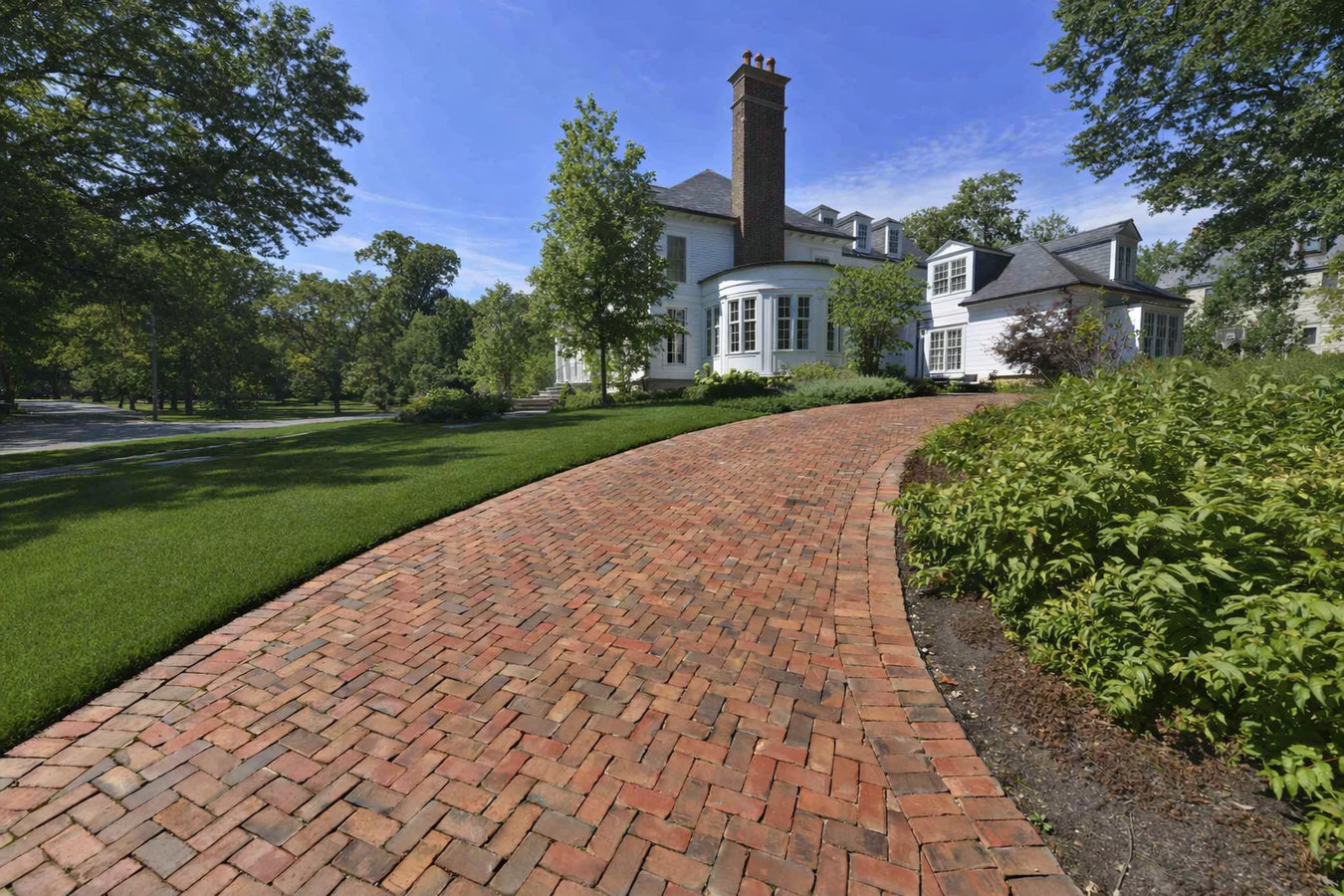
East Texas clay soil shifts every wet season. A properly built walkway stays level, drains away from your home, and holds up for decades.
Walkway construction in Longview means removing the old surface, preparing and compacting the soil underneath, adding a gravel base layer, and installing your chosen material - concrete, pavers, or stone - with proper drainage slope built in. Most residential walkways are completed in one to three days, depending on length, material, and whether old concrete needs to be hauled away.
Many Longview homeowners call us because a previous walkway cracked or shifted after just a few years. That almost always traces back to a base that was not built for local clay soil. Getting it right the first time means the path to your front door stays safe and level through many wet and dry seasons. If your property also needs a new driveway pavers installation, we can coordinate both projects and handle the base preparation work in a single mobilization.
Walkway work also connects naturally to brick wall installation when you want a cohesive look - a brick border alongside a new concrete path ties the whole front yard together without requiring two separate contractor relationships.
If cracks are wider than a quarter inch - or cracks that started small and have grown over time - the base underneath has shifted. In Longview, this is almost always caused by clay soil expanding and contracting through wet and dry seasons. Small hairline cracks can sometimes be sealed, but wide or growing cracks usually mean the slab needs replacement rather than a surface patch.
If one section of your walkway sits noticeably higher or lower than the section next to it, a tree root or soil movement has pushed it out of alignment. This is a tripping hazard and will only get worse over time. In Longview's older neighborhoods with large oaks and pines, this is one of the most common reasons homeowners call for a new walkway.
After a rain, water should run off your walkway quickly. If puddles sit on the surface or water collects along the edges and flows toward your house, the slope is wrong. Standing water near your foundation is a problem worth fixing before it becomes a much more expensive repair - Longview averages close to 47 inches of rain per year.
A walkway surface that has started to flake apart or becomes slippery when wet has reached the end of its useful life. In Longview's humid climate, algae and moss also build up on shaded walkways, making them genuinely dangerous. If cleaning no longer helps, resurfacing or replacement is the right call.
We install three main walkway types: poured concrete, concrete pavers, and natural stone. Every installation starts with the same foundation work - proper subgrade compaction and a gravel drainage layer designed for East Texas clay soils. The surface material is chosen based on your budget, maintenance preference, and the look you want. Poured concrete is the most affordable and lowest maintenance. Pavers cost more upfront but individual pieces can be replaced if tree roots or soil movement ever shift them. Natural stone delivers the most distinctive finish for front-entry paths and formal yard designs.
Our walkway projects often pair well with other services. Homeowners adding a brick wall installation along the front of their yard frequently want a matching walkway at the same time. And for properties where the driveway also needs attention, our driveway pavers service uses the same base preparation approach so both surfaces perform consistently over time.
Best for homeowners who want a durable, low-maintenance path at the most affordable price point.
Best for homeowners who want a decorative look and the ability to replace individual pieces rather than patch a full slab.
Best for front-entry paths and formal yard designs where appearance and long-term character are the priority.
Longview sits in the Pineywoods region of East Texas, where the soil is heavily clay-based. That clay expands in wet months and contracts in dry ones, and that constant movement is the number one reason walkways crack and shift in this area. A contractor who does not account for this - through a properly compacted gravel base and appropriate joint spacing - is building you a walkway that will show problems after the first wet-dry cycle. Mature trees throughout Longview's established neighborhoods add another layer to the planning, since oak and pine roots can heave a surface over time. Homeowners in Hallsville and Gladewater face the same East Texas clay challenges, and we build walkways in both communities with the same soil-first approach.
Longview also averages close to 47 inches of rain per year - well above the national average. A walkway that does not slope slightly away from your house channels that rainwater toward your foundation, which creates bigger problems over time. We build every walkway with proper drainage slope so water runs off cleanly after every storm. The American Concrete Institute publishes concrete installation standards that guide our work on every pour, and the Interlocking Concrete Pavement Institute provides the base preparation guidelines we follow for paver installations.
We visit your property, measure the area, check the soil and existing surface, and ask what you want. You receive a written estimate that breaks down labor and materials - no phone quotes. We reply to all new inquiries within one business day.
If your project requires a City of Longview permit - common for walkways connecting to a public sidewalk - we handle that application. This adds a few business days before work starts. Once the permit is in hand, you get a confirmed start date.
The crew removes whatever is currently there - old concrete, pavers, or overgrown ground - and hauls it away. Then they grade and compact the soil and add a gravel base layer. This preparation step determines how long your walkway lasts.
We form the edges, install the surface, finish it with the texture or pattern you chose, and cut control joints where needed. For concrete, stay off the surface for at least 24 hours. We leave the site clean before we go.
Free estimate, written quote, no obligation. We come to your yard and tell you exactly what it will take.
(430) 267-1978Every walkway we install starts with a base prepared specifically for East Texas clay conditions - compacted subgrade, proper gravel depth, and joint spacing that gives the material room to flex. That is the step many contractors skip, and it is the main reason walkways in this area crack early.
We pull every required City of Longview permit and coordinate inspections as part of the job. You do not make a single call to Development Services. Permitted work protects your investment and creates a clean record if you ever sell the home.
Longview receives close to 47 inches of rain per year. We build a proper drainage slope into every walkway so water runs away from your foundation, not toward it. A flat walkway looks fine on day one but sends water to the wrong place every single storm.
You receive a written, itemized estimate before a single shovel goes in the ground. If something unexpected comes up during the job - like a buried root system that needs to be addressed - you hear about it before we act on it. Your final cost matches what you agreed to.
Longview homeowners hire us because we treat walkway work as a long-term investment, not a quick pour. From soil prep to drainage slope to permit paperwork, every step is handled so the finished path holds up through years of East Texas weather.
Add a brick border or boundary wall that complements a new concrete or paver walkway for a finished, cohesive front yard.
Learn MoreUpgrade your driveway with the same paver installation approach used on walkways - base-first construction built for local clay soils.
Learn MoreSpring and fall book fast in Longview - reach out now for a free written estimate and hold your spot on the calendar.