
Loading...
Serving Longview, TX and surrounding areas. (430) 267-1978
East Texas humidity breaks down mortar faster than anywhere in the state. We repair, tuckpoint, reline, and waterproof chimneys so yours is safe and ready to use.
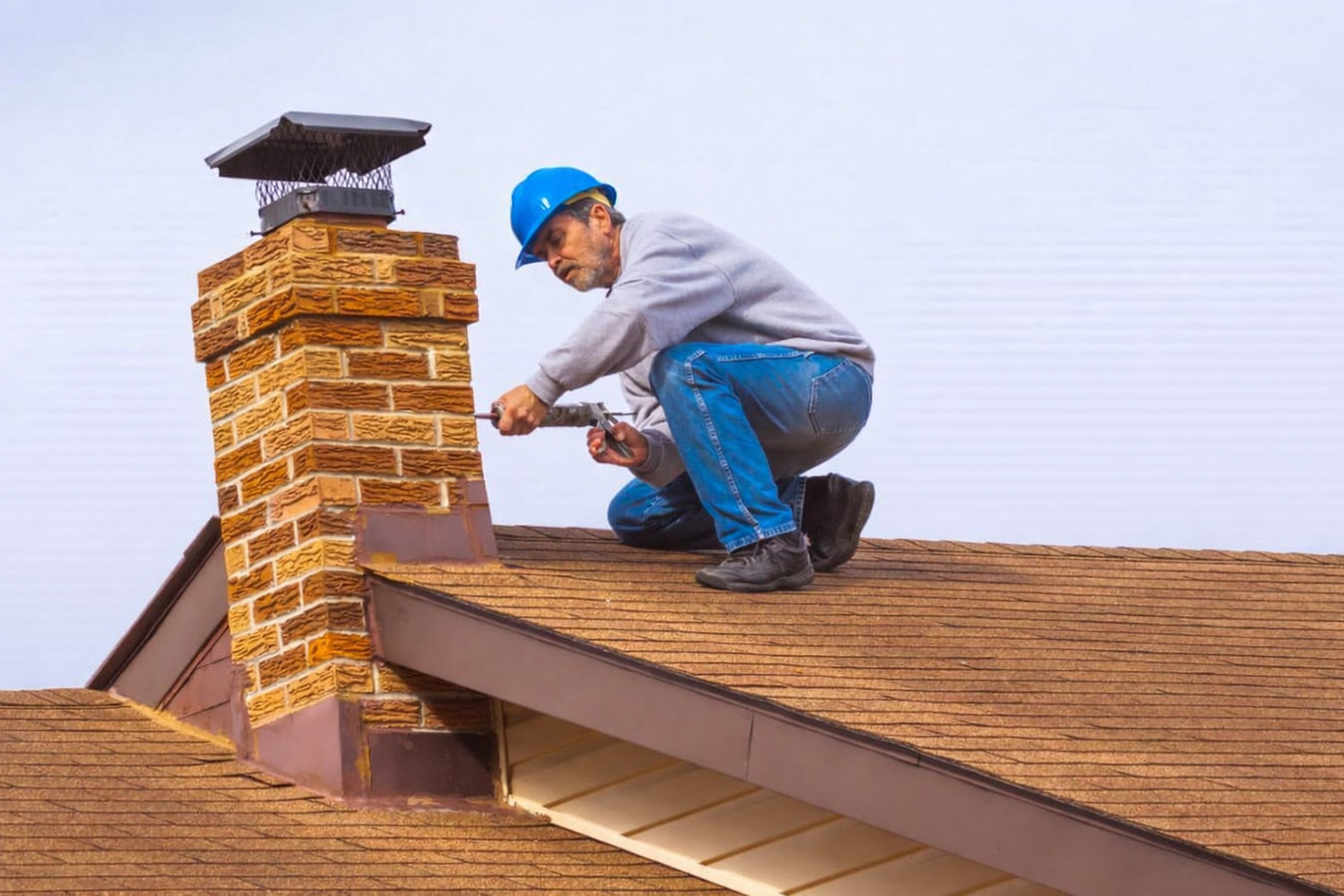
Chimney repair in Longview, TX covers the full system - mortar joints, bricks, the liner inside the flue, the cap on top, and the firebox - with most straightforward jobs completed in one to two days.
A chimney is not just bricks and mortar stacked on your roof. It is a system of parts that keeps combustion gases moving out of your home and keeps weather from moving in. When mortar starts to crack - which happens faster in Longview's rainy, humid climate than in most of Texas - water gets in, the damage accelerates, and what started as a $300 tuckpointing job can become a much larger project if it is left alone.
Chimney work and fireplace work often go together. If your firebox also needs attention, see our fireplace installation service. And if your mortar joints need systematic regrinding and repacking, our tuckpointing service handles that process in detail.
Chalky white streaks on the exterior of your chimney mean water is moving through the masonry and carrying mineral deposits to the surface. In Longview's rainy, humid climate, this staining appears faster than in drier parts of Texas and usually means moisture damage is already underway - not just on the surface.
Stand back and look at your chimney from the yard. If the lines between the bricks look sunken, powdery, or have visible gaps, the mortar has started to fail. This is the most common chimney problem in East Texas homes, and it gets worse with each rain event as water pushes deeper into the weakened joints.
A persistent smoky or damp smell near your fireplace when it is not in use often means the damper is damaged or that moisture has gotten into the system. During Longview's humid summer months, this kind of off-gassing from mold or creosote buildup is a clear signal that something inside the flue needs attention.
If you open the fireplace and find small reddish-orange chunks at the bottom, those are likely fragments from the clay tile liner inside your flue. A deteriorating liner is one of the more serious chimney problems - it is the layer that keeps heat and combustion gases from reaching the wood framing of your home. Do not use the fireplace again until a professional has assessed the liner.
Every chimney service call starts with a full inspection - exterior brickwork and mortar, firebox and damper from inside, and the liner running up through the flue. We look at what is easy to see and what is not, because the most expensive problems are usually the ones hidden inside the flue. After the inspection, you get a plain-language explanation of what we found, which repairs are urgent, and what each part of the job will cost before any work begins.
Repair options depend on what the inspection finds. Tuckpointing - removing failing mortar and packing in fresh material - is the most common fix for East Texas chimneys and is far less expensive than replacing bricks. Liner repair or relining the full flue is required when the inner protective layer has cracked. Cap replacement stops rain from pouring directly into the flue. Every job finishes with a waterproof sealant applied to the exterior masonry, because in Longview's climate that is not an optional extra - it is what keeps the repair lasting. If the masonry at your fireplace opening also needs work, our fireplace installation and tuckpointing services handle those pieces of the project.
Best for chimneys where mortar joints have cracked or recessed - far more affordable than full brick replacement.
Required when the clay tile or metal liner inside the flue has cracked or deteriorated - the repair that protects your home from heat and gas.
Stops rain, debris, and animals from entering the flue directly - the simplest and most cost-effective first line of defense.
Applied to the exterior masonry after any repair to slow moisture absorption in Longview's rainy, humid climate.
Longview averages around 46 inches of rain per year - well above the state average - and the air stays humid for much of the year. That persistent moisture works into even hairline cracks in chimney mortar and causes it to break down faster than in drier parts of Texas. Homeowners in established Longview neighborhoods, many of which have homes from the 1950s through 1980s, are dealing with chimneys that have been through decades of this cycle without intervention. Clay tile liners from that era may be cracked or deteriorated and deserve a close look before you light a fire. Longview's clay-heavy soils add another layer of risk - that seasonal expansion and contraction can shift a chimney's foundation subtly over time, showing up as a slight lean or a gap opening between the chimney and the exterior wall.
We work on chimneys throughout Gregg County, including in Longview and nearby Gilmer. If you have a chimney that has not been serviced in a few years - or one that is showing any of the signs above - scheduling an inspection before the next fire season is the most cost-effective step you can take.
Describe what you have noticed - staining, smells, sticking damper, visible cracks. We respond within one business day to schedule your inspection.
We inspect the exterior masonry, firebox, damper, and the full length of the liner. At the end, you get a plain-language walkthrough of what was found and which repairs are urgent versus optional.
You receive a written breakdown before any work is agreed to. Take your time reviewing it - a trustworthy contractor will not pressure you to sign on the spot and will answer every question clearly.
Most jobs complete in one to three days. Fresh mortar needs 24 to 48 hours to cure before the fireplace can be used. We walk you through the completed work and tell you the exact date it is safe to light a fire again.
We come out, inspect the full system, and give you a written breakdown of exactly what your chimney needs and what it will cost. No pressure, no surprise add-ons.
(430) 267-1978Longview's rain and humidity break mortar down faster than most homeowners expect. Every repair we do finishes with a waterproof sealant applied to the exterior masonry - not as an upsell, but as a standard step that makes the repair last in this climate.
The liner inside your flue is the part that keeps heat and gases from reaching your home's wood framing. We inspect its full length on every visit - not just the parts that are easy to see - so you know whether the repair addressed everything that matters.
You will see a clear, itemized breakdown of labor and materials before we start. No vague quotes, no surprise additions on the final invoice. You make your decision with complete information in hand.
Longview's clay soils move with the seasons, and that movement can stress a chimney's foundation. We tell you honestly whether what you are seeing is cosmetic or structural - with no upselling and no repair recommended unless it is genuinely needed.
You should leave every chimney service call knowing exactly what was done, why, and when it is safe to use your fireplace again. That is the standard we hold ourselves to on every job in Longview and across East Texas.
For chimney safety standards and certified contractor information, visit the Chimney Safety Institute of America. For carbon monoxide safety information, see the U.S. Consumer Product Safety Commission. Permit questions can be directed to City of Longview Building Inspections.
When mortar joints throughout a chimney or wall need systematic removal and replacement, tuckpointing is the dedicated process for that work.
Learn MoreIf the firebox itself is damaged or you want to upgrade to a new fireplace, our installation service handles the full project.
Learn MoreScheduling your inspection now means repairs can be done and mortar can cure before the wet season arrives. Call us today or submit a request online.