Loading...
Serving Longview, TX and surrounding areas. (430) 267-1978
Longview clay soil shifts with every wet season. A properly designed block foundation keeps your home level, dry, and structurally sound for decades.
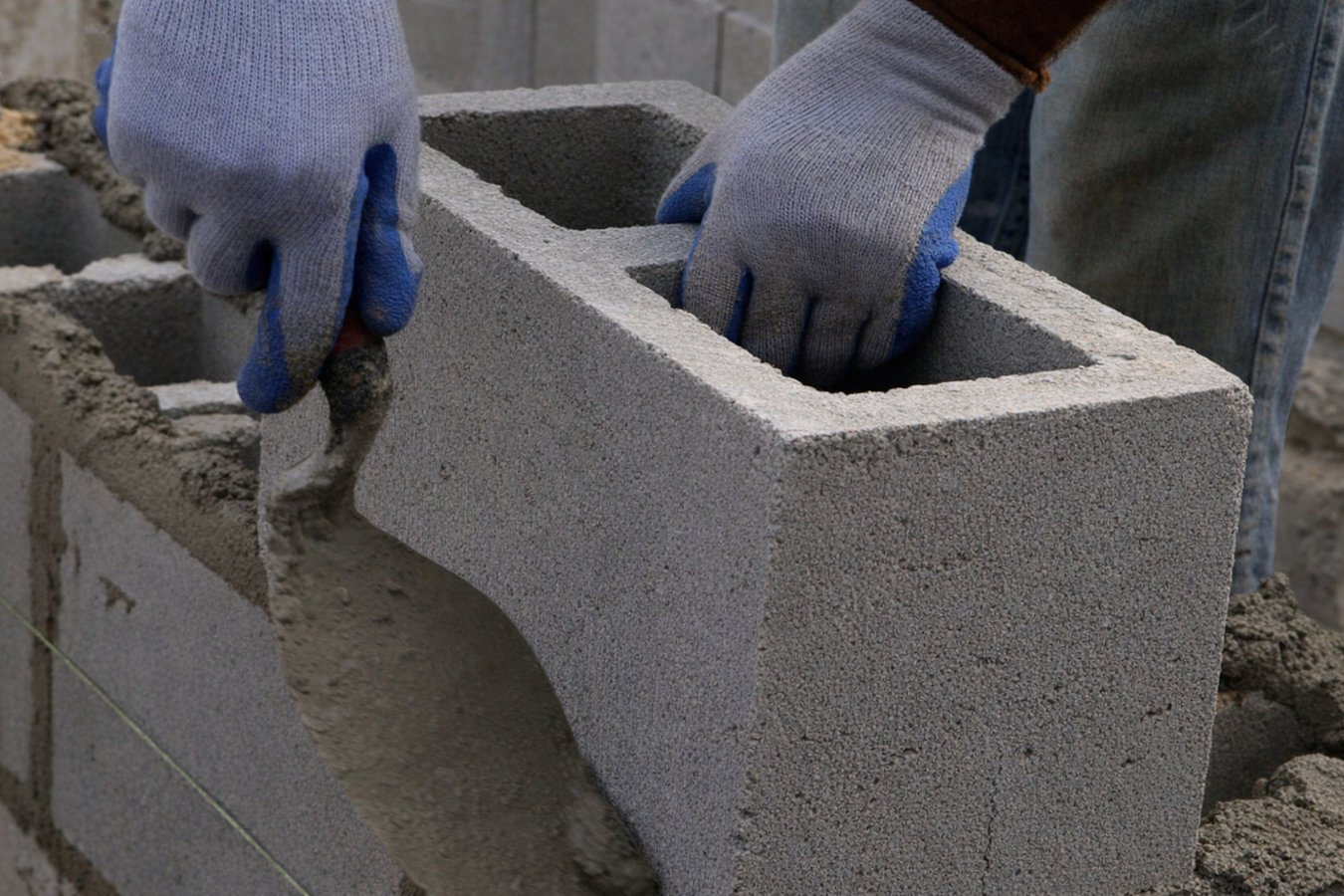
Foundation block wall installation in Longview means constructing a load-bearing structure from stacked concrete masonry units, starting with a poured footing and building up through reinforced block courses, with waterproofing and drainage built in. Most standard residential jobs - a crawl space perimeter or small addition - run between three and seven days of active construction.
If your home is in one of Longview's established neighborhoods built in the 1950s through 1970s, there is a good chance it already sits on a concrete block foundation. Repairs and additions need to match what is already there - in block size, mortar style, and waterproofing approach. That is different from starting fresh on new construction, and it takes a contractor who knows local building history to do it right.
Block foundation work often connects to broader structural concerns. If your home also needs foundation repair, we can assess both in the same site visit so you have a complete picture before any work begins.
If cracks follow the horizontal or diagonal lines between blocks rather than cutting through the blocks themselves, the mortar is failing. In Longview's clay soils this often happens after a dry summer followed by heavy fall rains, when the ground shifts and stresses the wall. Small hairline cracks may only need repointing, but wider gaps or cracks that have grown over time usually signal a more significant problem.
Stand back and look at your foundation wall from a distance. If any section curves outward - even slightly - the wall is under pressure it was not designed to handle. This happens when saturated clay builds up against the wall during Longview's wet seasons and the weight pushes in. A bowing wall is a structural issue that gets worse if ignored.
Standing water, damp soil, or a musty smell under your home after rain means the foundation wall is no longer keeping moisture out. White chalky deposits on the inside face of blocks - called efflorescence - are a sign moisture is moving through the wall regularly, even when no standing water is visible. Longview's nearly 47 inches of annual rain makes this a common complaint in older homes.
When a foundation wall shifts or settles unevenly, the frame of your house moves with it. The first sign is usually a door that used to swing freely now dragging on the floor, or a window that now sticks. In older Longview homes built on block foundations, this kind of settling is more common than homeowners realize and is worth investigating at the foundation level.
We handle foundation block wall projects from footing to finish - new construction perimeter walls, additions that need to match existing block foundations, and partial replacements where a section has bowed, cracked, or deteriorated beyond repointing. Every job includes proper footing design for Longview's clay soils, reinforced block courses, and waterproofing on the exterior face before backfill. We also install drainage pipe and gravel layers where the site calls for it, because in East Texas waterproofing alone is rarely enough.
For homeowners exploring what their property needs, we often work alongside our outdoor kitchen masonry team when a project involves both foundation work and backyard improvements on the same site. And if your assessment reveals underlying structural movement, our foundation repair service covers crack injection, underpinning, and pier work to stabilize what is already there before new block work goes up.
Best for new construction, additions, and crawl space enclosures that need a full load-bearing block wall from footing to sill.
Best for homes where one section has bowed, cracked badly, or has block damage that repointing alone cannot fix.
Best for existing walls that are letting moisture through but are structurally sound - includes exterior coating and drainage layer.
Best for older Longview homes where the mortar has aged out but the block courses are still in alignment and structurally intact.
Longview sits on Pineywoods-region clay soils that expand when wet and shrink when dry. That constant seasonal movement is the single biggest reason foundation walls in this area fail before they should. A footing that would work fine in sandy West Texas soil is undersized here. Drainage that might be optional in a drier climate is non-negotiable in a city that receives close to 47 inches of rain per year. We design every wall with those local conditions in mind, not with a generic spec sheet. Homeowners in White Oak and Gladewater face the same East Texas clay challenges, and we regularly serve both communities with the same approach.
The City of Longview requires a building permit for foundation work, and the Development Services department enforces this through required inspections. Permitted work protects your investment and creates a clean paper trail if you ever sell the home or file an insurance claim. We handle the permit application and coordinate city inspections as part of every job, so you do not have to navigate that process yourself. East Texas contractors who recommend skipping the permit are saving themselves paperwork at your expense. The National Concrete Masonry Association publishes standards for block wall construction that our work meets on every project.
We visit your property, assess the existing conditions, and measure the wall area before giving you any number. Foundation work is too variable to quote over the phone. You will receive a written estimate within one business day of the site visit, with no obligation to proceed.
We apply for the required City of Longview building permit before any work begins. This typically takes a few business days to a week. You do not need to handle this step - we coordinate directly with the Development Services department.
Once the permit is in hand, the crew excavates around the wall, removes any old material, and pours or inspects the concrete footing. Getting the footing right for Longview's clay soil is the most important step - we do not skip or rush it.
Block laying begins once the footing has cured. After the wall is up, we apply waterproof coating, install any drainage layer, and coordinate the city inspection before backfilling. We walk you through the completed work and let you know the curing timeline before the area is loaded or landscaped.
No obligation. We visit your site, assess your soil and drainage, and give you a written quote - usually within one business day.
(430) 267-1978We design footing depth, reinforcement, and drainage for Longview's expansive clay soil - not a generic spec. That means your wall handles seasonal ground movement instead of cracking under it. We have seen what happens when contractors from outside the region build without accounting for local soil conditions.
We apply for the City of Longview building permit, coordinate the required city inspections, and make sure everything is documented before we call the job done. Your investment is on the record and protected - which matters when you sell the home or file a claim.
With nearly 47 inches of rain per year, moisture is the number-one threat to a block foundation in this area. We include exterior waterproof coating and drainage on every wall we build - because we have seen what walls look like after a few East Texas spring seasons without it.
Our work follows Mason Contractors Association of America practices for block wall construction, which means consistent mortar joints, proper reinforcement, and quality that holds up to inspection - both by the city and by the next owner's inspector.
Every proof point above connects to one outcome: a foundation wall that does its job for decades without asking you to spend more money. That is what we build toward on every project in Longview and across East Texas.
Permanent masonry outdoor kitchens built on reinforced concrete slabs - a natural complement to foundation work on the same property.
Learn MoreCrack injection, pier installation, and underpinning for existing foundations that need stabilization before new block work goes up.
Learn MoreSpring and fall book fast in East Texas - reach out now to lock in your project date before the season fills up.