Loading...
Serving Longview, TX and surrounding areas. (430) 267-1978
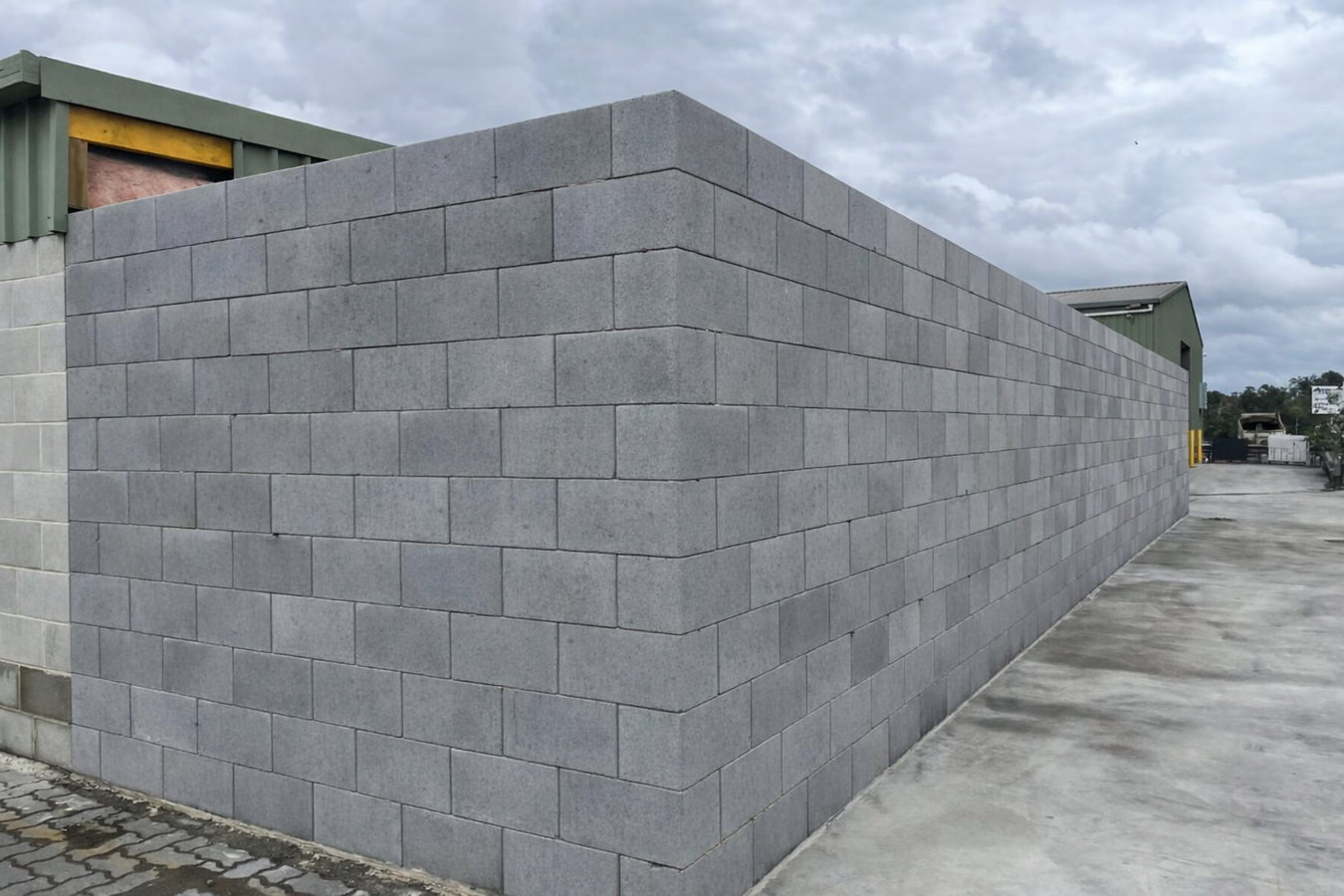
Longview clay soil shifts every season, and 47 inches of rain tests every wall on your property. We build concrete block walls with the footings and drainage this area demands so yours stays straight for decades.
Concrete block walls in Longview typically run $15 to $30 per square foot installed - a straightforward privacy or garden wall in the 30-to-50-linear-foot range takes a crew about two to four days, with the total project including permit and inspection usually wrapping in one to two weeks.
Whether you need a retaining wall to stop slope erosion, a privacy wall along your property line, or a structural base for an outdoor living area, concrete block is the most durable option in this part of East Texas. The clay soil here shifts seasonally, and Longview averages nearly 47 inches of rain a year - conditions that take apart walls built with shallow footings or no drainage. When your project involves below-grade structural walls tied to your home, our foundation block wall installation service addresses those requirements directly.
We give you a written estimate after a site visit - not a phone guess. Call (430) 267-1978 or send us a message online to schedule yours.
If you are losing soil from a slope every time Longview gets a significant storm, that is a clear sign you need a retaining wall. Over time, erosion undermines your lawn, damages landscaping, and can threaten structures nearby. With nearly 47 inches of annual rainfall in this area, the problem rarely fixes itself.
A block wall that is leaning away from vertical, or showing wide cracks running through the mortar joints, is telling you the footing has shifted. In Longview's clay soil, this kind of movement is common in walls that were built without a deep enough base. Patching the surface will not fix the underlying problem.
A concrete block wall offers permanent, low-maintenance privacy that will not rot, warp, or need repainting the way a wood fence does. Many Longview homeowners choose block specifically because it holds up through wet summers without the upkeep that wood demands every few years.
Longview's older neighborhoods are full of large oaks and pines whose roots can slowly push against masonry over years. If you notice a wall that has shifted, tilted, or developed gaps at the base near a tree, root pressure combined with clay soil movement is likely the cause - and it will keep getting worse without intervention.
We build concrete block walls for retaining, privacy, garden borders, and structural support for outdoor living areas. Every job starts with a properly sized footing dug below the zone where Longview clay soil moves most - because a wall is only as stable as what it sits on. For below-grade work tied to your home structure, we coordinate with our foundation block wall installation team to make sure the finished work meets the depth and reinforcement requirements for your specific lot and soil conditions.
For homeowners who want the structural strength of a block wall but also want it to look like natural stone on the outside, we can pair a block wall build with a retaining wall construction approach that incorporates surface finishing. Both options start with the same commitment: the drainage, footing depth, and permit process that this climate and soil require.
Best for homeowners dealing with slope erosion, yard drainage problems, or the need to create a level outdoor surface on a graded lot.
Suited to homeowners who want a permanent, low-maintenance alternative to wood fencing along a property line or around a backyard.
Works well for homeowners who want to define planting areas, create raised beds, or level out a portion of a sloped yard for landscaping.
Ideal for homeowners adding a covered patio, outdoor kitchen base, or other hardscape structure that needs a stable masonry perimeter wall.
Longview clay soil expands when it rains and contracts during dry stretches - every single year. That seasonal movement puts stress on any masonry structure whose footing is not deep enough to stay stable through those cycles. Walls with shallow footings shift, lean, and crack within a few years here, and the repair cost usually exceeds what a proper build would have cost in the first place. We dig footings with local soil conditions in mind, not a one-size-fits-all depth from a national handbook. Homeowners across the area trust us for this work, including those in Tyler and Lindale, where the same clay conditions apply.
Longview's heavy annual rainfall - close to 47 inches - means drainage behind retaining walls is not optional. Water pressure after a significant storm can push even a well-built wall outward if the drainage path behind it is blocked or absent. We install drainage material and weep holes as a standard part of every retaining wall build. The Portland Cement Association sets the industry standards for concrete and masonry construction that guide our footing and wall specifications, and the City of Longview Development Services handles permits and inspections for walls above the required height threshold.
We respond within one business day. You will share roughly what the wall is for - retaining, privacy, or outdoor living - and where on your property it goes. We schedule a site visit rather than quoting over the phone, because lot conditions in Longview vary too much for a remote estimate to be accurate.
We walk your property, check slope and soil conditions, and look for anything that could complicate the job - tree roots, drainage, equipment access. After that visit, you receive an itemized written quote covering labor, materials, and permit fees. If a contractor gives you a verbal-only quote, ask for it in writing before agreeing to anything.
For walls above Longview's height threshold, we apply for the building permit through the city's Development Services office - usually a few business days to process. Once approved, we mark the wall line, dig the footing trench, and pour the concrete base. In clay soil, the footing needs 24 to 48 hours to harden before block work begins.
Blocks go up course by course with mortar between every joint and drainage material installed behind retaining walls as we go. When the wall is complete, we clean the site and the city inspector verifies the work. After that, allow about 28 days of cure time before putting significant pressure on a new wall.
We walk your property, account for your soil and slope, and give you a written price before you commit to anything.
(430) 267-1978We dig deeper than a national spec calls for because Longview clay moves more than most soils. Every footing we pour is sized to stay stable through the wet-and-dry cycles that shift shallower walls within a few years. A wall that costs slightly more to build right costs far less than the repair bill five years later.
With close to 47 inches of rain per year, water pressure behind retaining walls is a real seasonal force. We pack drainage material behind the wall and include weep holes near the base on every retaining build - because without that drainage, even a well-built wall can eventually lean or crack after enough heavy storm seasons.
We apply for the required city permit before any work begins, so the inspection is already lined up when the wall is done. Homeowners who skip the permit step sometimes find out at closing that unpermitted work is a problem - we prevent that situation from the first conversation.
You receive a written, line-by-line estimate after we walk your property - not a vague number over the phone. The quote covers labor, materials, and permit fees. The number you approve is the number on the final invoice. Local references from completed walls in Gregg County are available on request.
Every block wall we build in Longview is backed by local experience in East Texas soil and rainfall conditions. When the footing depth, drainage plan, and permit requirements are handled correctly from the start, the finished wall is one you will stop thinking about - which is exactly the point.
Verify contractor licensing through the Texas Department of Licensing and Regulation.
Below-grade block wall work tied to your home foundation - covering the structural requirements that a standard privacy or retaining wall does not address.
Learn MoreEngineered retaining walls for steeper slopes and larger grade changes, with material and finish options beyond standard concrete block.
Learn MoreLongview wet season does not wait - lock in your build date before the schedule fills up and before another storm takes more of your slope.